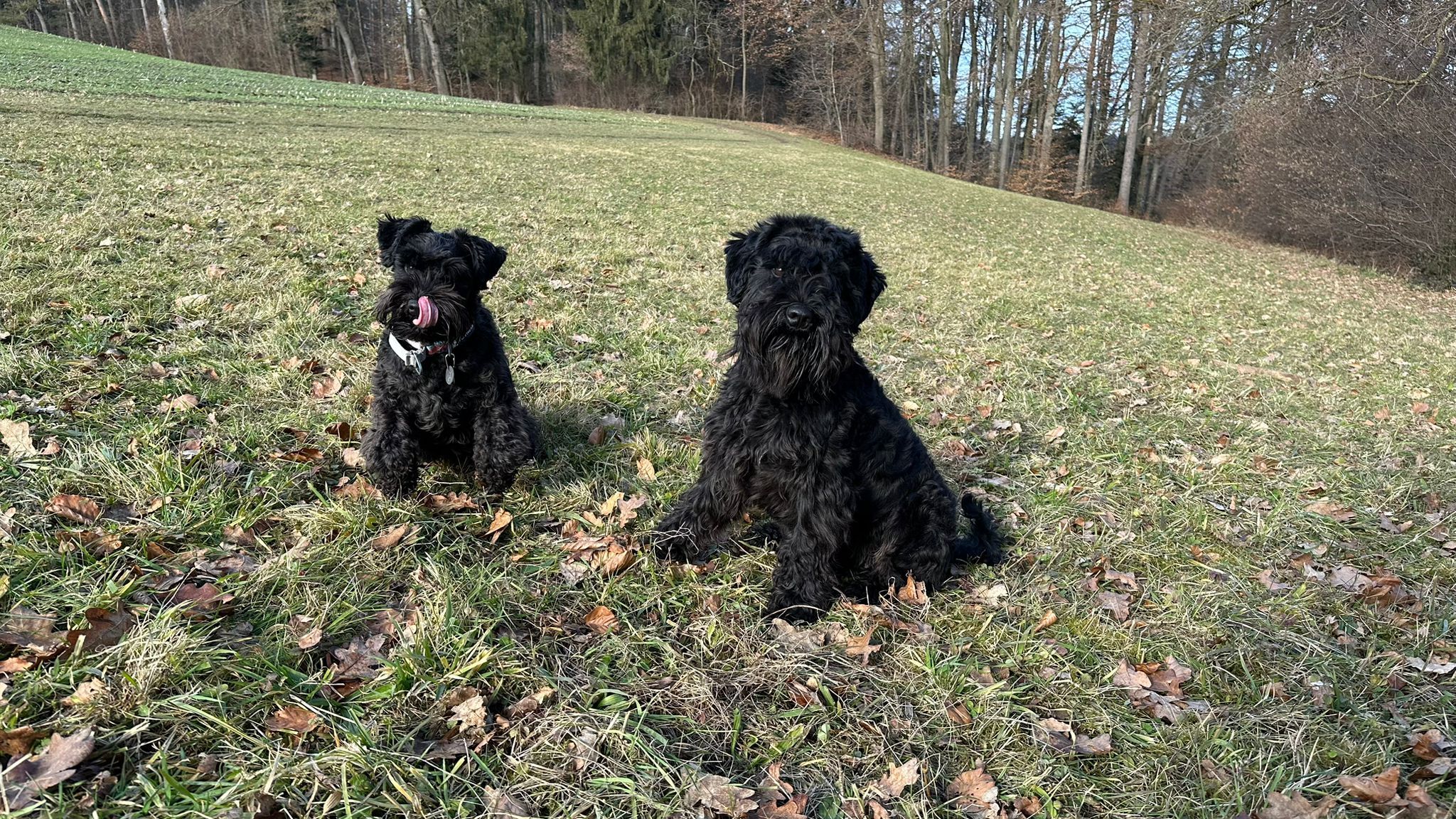
Honey! They cloned our dog...

Rohan Büchner / March 02, 2025
READING TIME •
Do Dogs Recognize Their Siblings? Blue & Buddy’s Playdate
Blue recently had a special reunion—she got to have a playdate with her brother, Buddy! 🐶🐶
The last time they played together, they were only a few months old, but the moment they were back together, it was as if no time had passed. What stood out the most was how they instinctively fell into the same playstyle, something we’ve noticed Blue doesn’t always do with other dogs.
But this raises an interesting question: Do dogs recognize their siblings, even after time apart? And if they share a similar playstyle, is it because of their shared genetics, or is it shaped by their individual experiences?
Loading video...
Do Dogs Remember Their Siblings?
Research suggests that dogs have an incredible ability to recognize scents, and studies show that puppies can remember their mother and littermates for some time after being separated. However, as they grow and become independent, their bond to their original family weakens unless they continue to interact.
A study in Animal Behaviour found that dogs could recognize the scent of their siblings or mother even two years after separation, as long as they had lived together for at least the first eight weeks of life. This suggests that while dogs may not “remember” siblings in the way humans do, their noses don’t forget!
So, while Blue and Buddy might not have had a conscious realization like “Hey, you’re my brother!”, they may have picked up on each other’s familiar scent, triggering a sense of recognition.
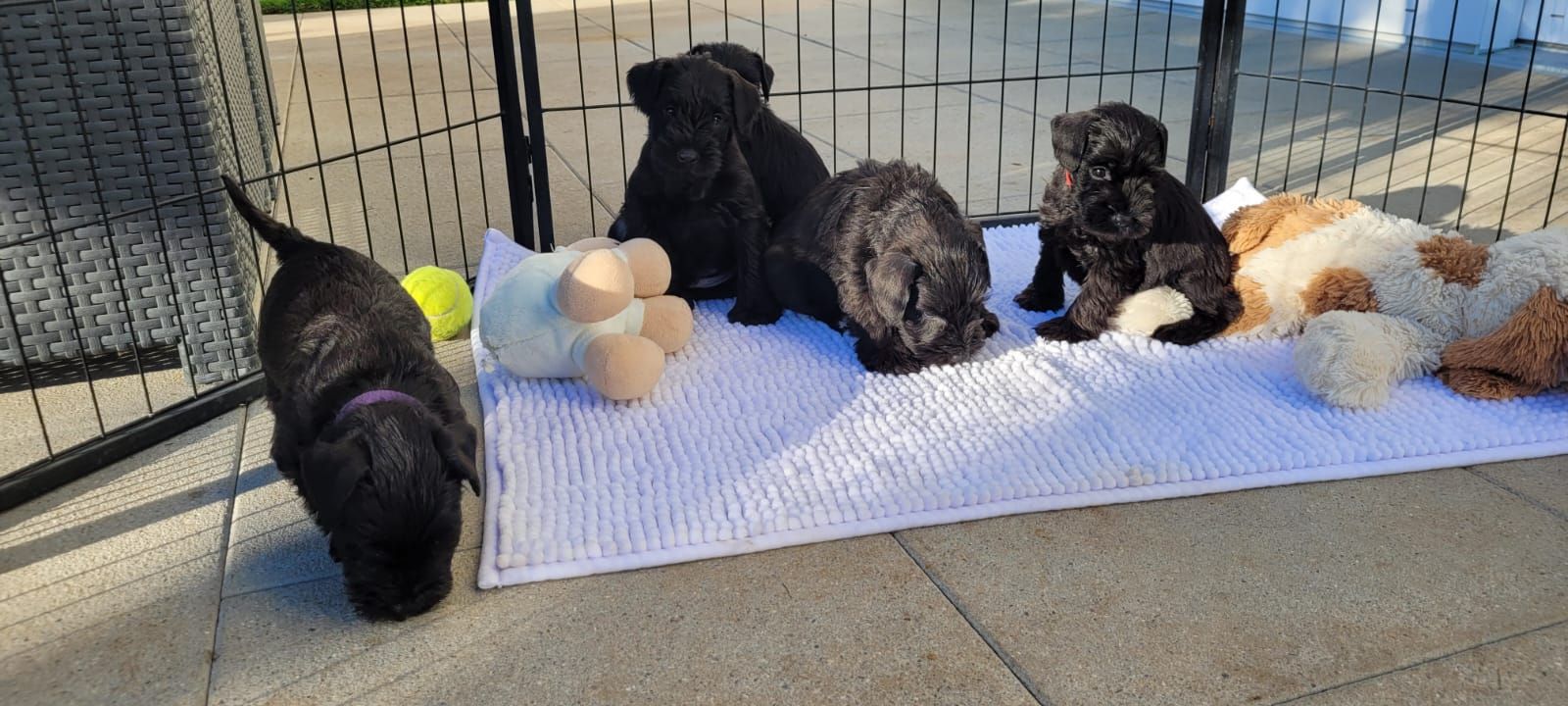
Nature vs. Nurture – Why Do Some Dogs Play Differently?
Watching Blue and Buddy play the same way they did as puppies brings up an interesting debate:
- Nature (Genetics) – Dogs inherit certain behavioral traits from their lineage. Some breeds, for example, are more prone to rough play, while others are naturally more gentle. Since Blue and Buddy share DNA, their playstyle may have been shaped before they even opened their eyes.
- Nurture (Environment & Experience) – Dogs also adapt their behavior based on their experiences. If one dog had more socialization or played with larger/smaller dogs growing up, their playstyle might have shifted over time.
In Blue’s case, she doesn’t always play the same way with other dogs. This suggests that while she and Buddy may have a natural inclination toward a certain type of play, she has also learned to adjust her style based on who she’s interacting with.
What Does This Mean for Dog Owners?
Observing sibling interactions like this can be valuable for understanding how dogs develop social skills. Some takeaways:
✔ If you’ve adopted littermates, you might notice them playing in a specific way that differs from other dogs.
✔ Dogs that have spent significant time together as puppies may retain some level of familiarity, even after years apart.
✔ Every dog adjusts their behavior based on who they’re playing with—some roughhouse more with certain dogs and are gentler with others.
Blue and Buddy’s reunion was a cool reminder that dogs, like us, are shaped by both where they come from and the experiences they’ve had. Whether they “remember” each other or just instinctively recognize a familiar playmate, one thing is for sure—some bonds never really fade.